Cheaper Solar Power Gains Ground in Southeast Asia
We've watched other projects get hung up in the fine print. Within the forex current market, it happens all too often that builders become hired in good faith based on a talented sales call and also a lean purchase arrangement, and also the fine print doesn't incorporate some of the essential details that the house owner does not understand, such as procuring the FIT or Micro Fit contract to promote the power to the grid. Sometimes in larger projects, this drops between contracts. As an example, when a general contractor delivers a"turnkey" system design and installation, hires technology consultants to do the design and electricians and roofers to do the installation, but forgets to clearly explain who will submit an application to your own FIT contract.
With no FIT or Micro Fit contract, solar panels can be exceedingly expensive decorations. Especially in progressive and exciting fresh niches, an individual cannot comprehend the need for having clear contract records, rather than making sure that the whole project team has a complete and transparent comprehension of one another's responsibilities, and that nothing falls through the cracks. Public Mis Information Solar projects are all exciting. They're terrific for the surroundings, they're good for social ethos, also due to the FIT apps, they're cheap to farmers, faith groups, municipalities, and also average middle class lay people.
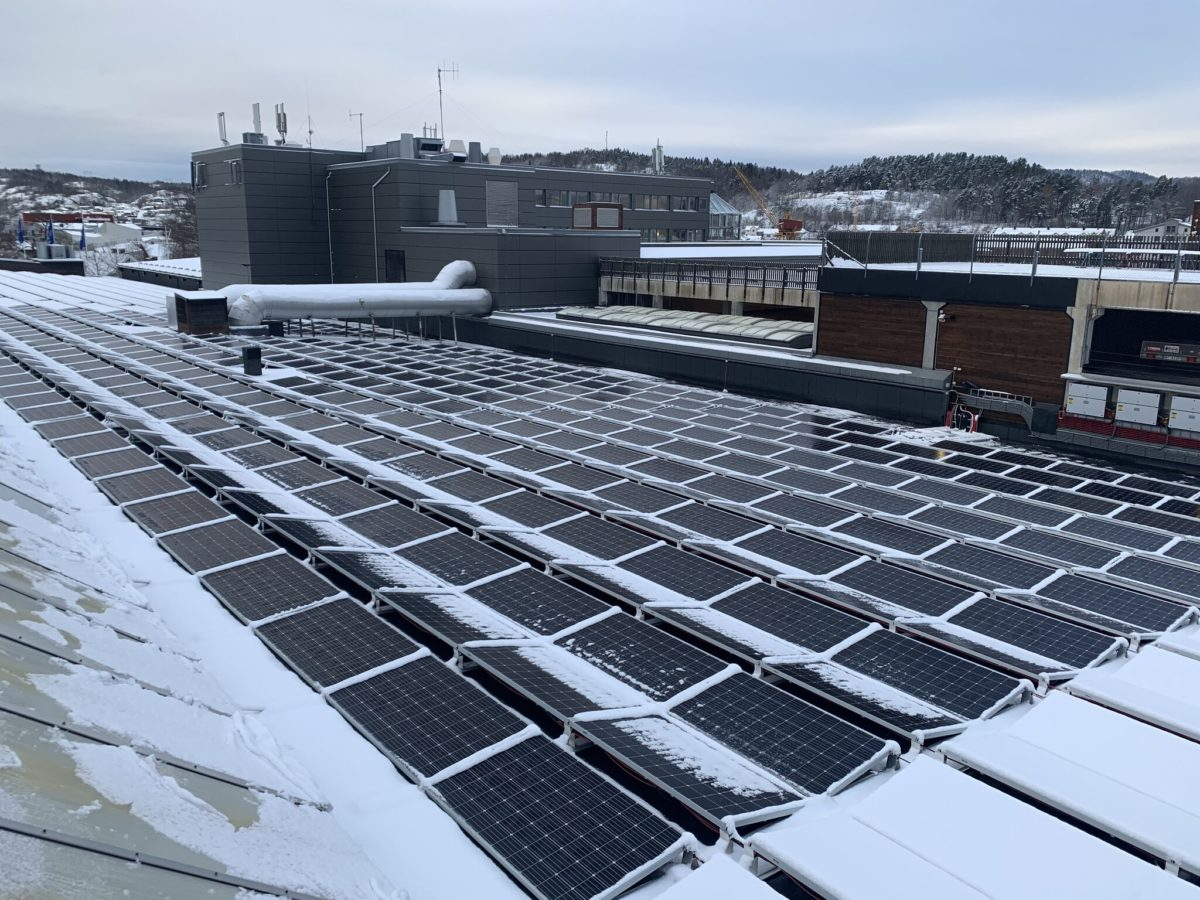
Life from the Trenches: How Solar Projects Really Function When I was a young child I used to love Legos. My brother and I really could build anything once we set our minds on it. We had experiences with castles, knights, and creatures, drove trains over the skies, made our personal transformers... and not needed a construction permit, or a utility connection agreement, or an ESA approval. The reality is that a lot of well-intentioned players from all sides of the industry had no clue what to expect. It was if we pumped down the first domino in a long series, and that I want to some degree that we're seeing other dominos fall, and we're learning how to wash the mess up.
Common Project Pitfalls FIT project proponents vary between farmers to commercial industrial or developers factory operators. They have lots of unique needs, however they tend to struggle with the same things when considering solar energy projects. Like every job, solar technology projects fail or succeed based on preparation. As the proverb goes, if you fail to plan, then you intend to fail, or at least to learn some hard lessons on the way. Probably one of the most unexpected challenges our endeavors sometimes face is social friction. Among our clients was chastised with a neighbor because"my taxes are paying for the [expletive] panelsyou thief!" It is remarkable how modest Ontarians know about the way our energy economies work, and just how hypocritical some uneducated or miseducated individuals are able to be. False information is absolutely free and widely available. Superior information takes effort to market and often costs money. And though any bigot can level hefty accusations with small attempt, the"good guys" have to work hard and spend greatly to give sound answers to those accusations Help. That's an interesting word. get full details about: Southeast Solar Power Development
The single greatest job killer we've encountered is if project teams fail to contact each of their approving authorities until they start the project. Any one of them can stop a job in its own tracks, no matter how much money you've spent until you telephone them. The most tragic instance we've seen was nearly 200kW of solar panels fully equipped, but struggling to hook up into the grid because the dog owner failed to get approvals first. You will find more than just a few homeowners across Ontario now attempting to connect Micro Fit systems, less than 10kW in size, who similarly failed to speak to their regional electrical utilities initially, and that may not be in a position to become connected in any respect. Some have withdrawn their retirement savings to fund their projects. That is a horrible and costly mistake to make. The Solar industry is not new in Canada, however, it has certainly grown over the past decade. The development of Ontario's Renewable Energy Standard Offer Program (RESOP) at 2006 was heralded worldwide, and Ontario was thrust to the forefront of global atomic media. Ontario's solar industry blossomed, and regulators scrambled to put procedures in place to keep us all safe and to help projects proceed. As an instance, FIT contracts aren't subsidies, plus so they won't help anyone get loaded quickly. Subsidies by definition are intended to help"subsidize" something: they do things like reducing or cancel structure or other development expenses, like how we cover for the building of new gas or atomic energy plants. FIT contracts are the opposite: they just pay for energy. Project proponents consume 100% of the job risk upto the day if energy is sold to the grid, and the only payment they get stems after, for electrical kilowatthours (kWh's).
Atomic energy plants will normally possess special contract provisions which ensure they get paid even when they will have downtime. FIT contracts provide no luxury: repayment is simply designed for kWh's delivered into the grid. This is a good thing for that ratepayer and taxpayer, but it introduces an intriguing challenge to the project team: the project should be built correctly and implemented precisely as planned, or all of the losses fall into the project owner. However, just like everything that is exciting, there is a tiny mythology that is built up round solar power endeavors, and some of those fables need to get cleared up. And even when you do everything right, some times endeavors still get jinxed on the many things.

Most builders don't think to check for CSA certificates on the products they install, however I've seen equipment arrive onsite which has been perhaps not CSA certified and ultimately needed to be ripped out and replaced with some thing that was. Unless products are certified to CSA or equivalent standards, the Electrical Safety Authority won't let them be linked into your grid, and with justification. None of us really wants to be the project that resulted in a flame worse, a fatality.


Comments
Post a Comment